
3D Printing Tips
16 tips to optimize your 3D printing
Macros in Klipper – Print Automation
Automate routine tasks with Klipper macros and G-code scripts.
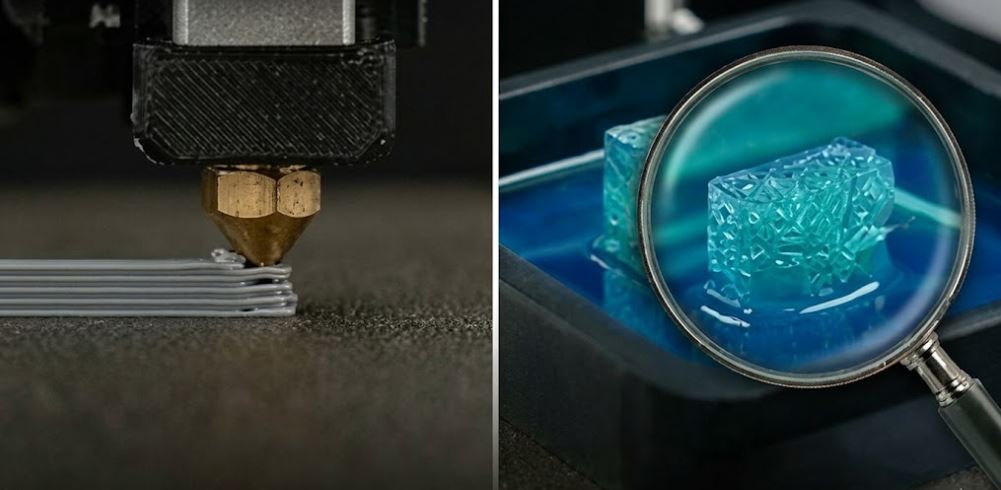
Resin Printing (MSLA/SLA) – Principles and Differences from FDM
Resin printers offer amazing detail. How do they work and when to use them?
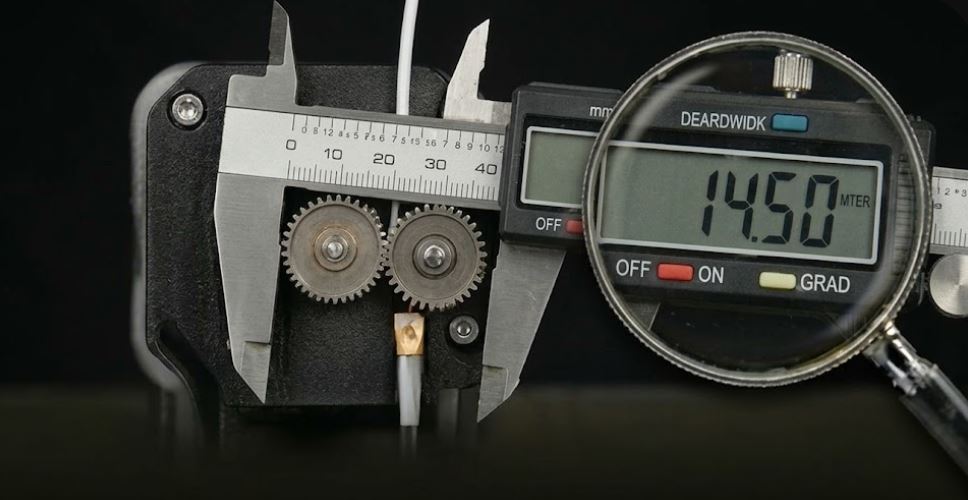
Extruder Calibration (E-steps)
Precise extrusion is the basis of quality prints. Set e-steps correctly.
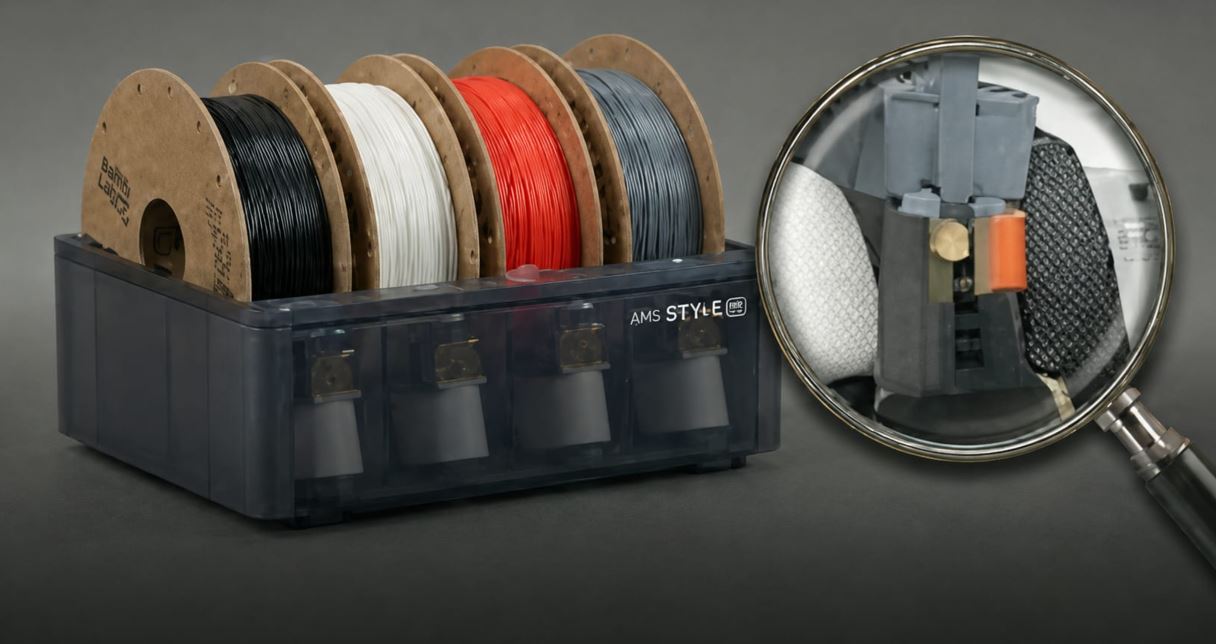
Multi-Material Printing (MMU/AMS)
How to properly set up and use a multi-color printing system.
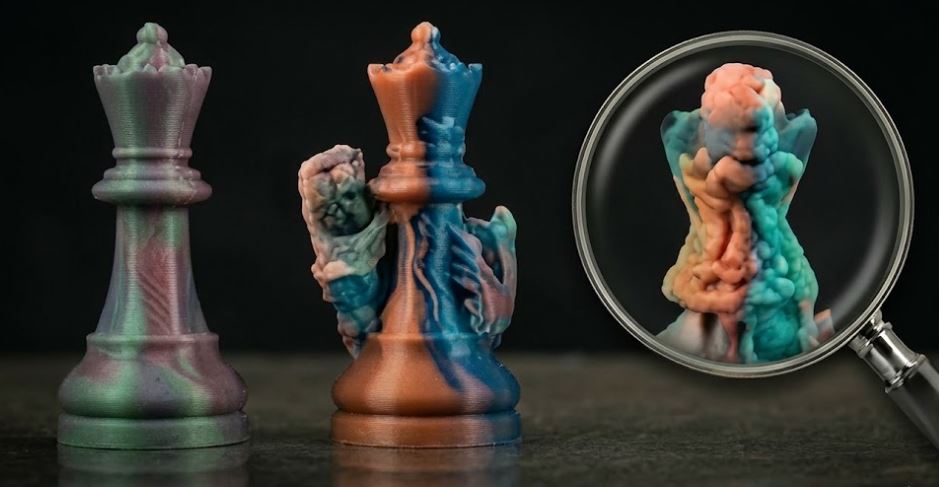
Multi-Color Printing with Single Nozzle
Techniques for color prints without a multi-material system.
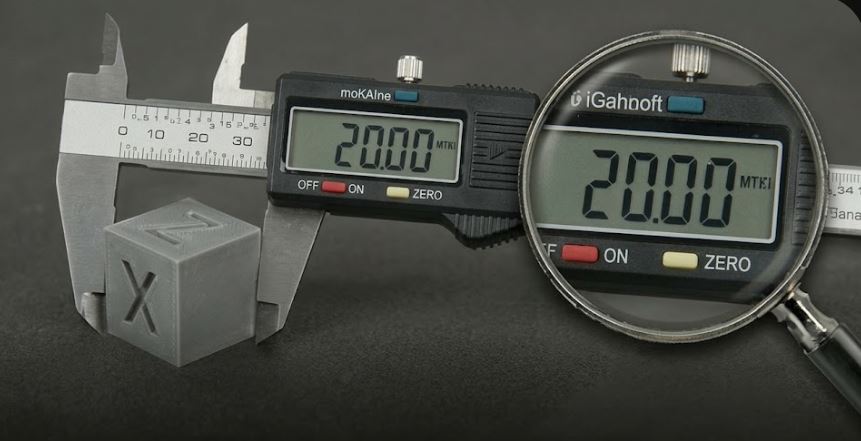
Precise XY Calibration – Dimensional Accuracy
Dimensional accuracy is critical for functional parts and assemblies: 📏 How to measure deviation: 1.
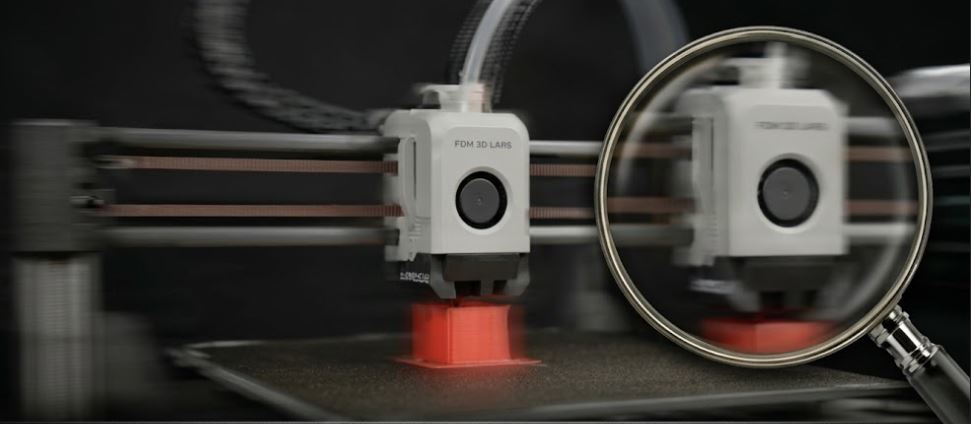
Printing at 300+ mm/s
How to achieve extreme speeds without losing quality.
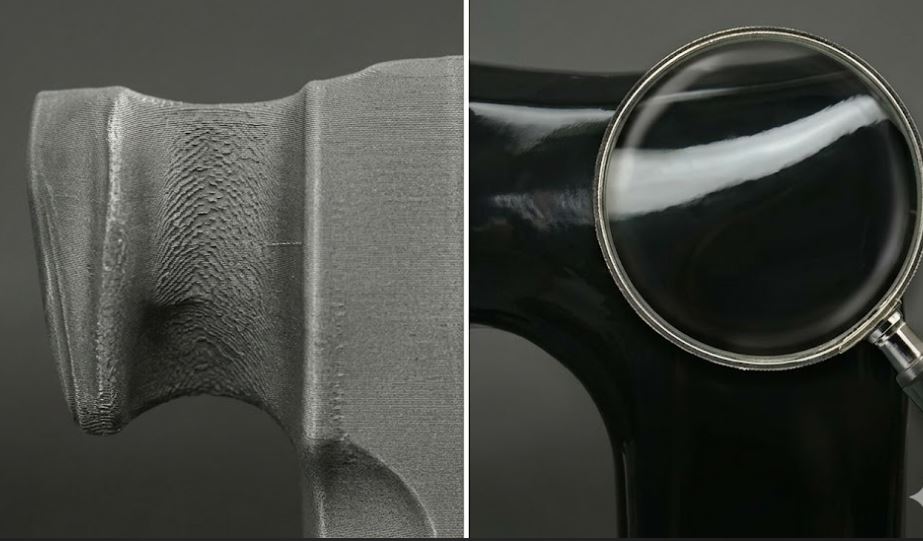
Post-Processing – Surface Finishing
Sanding, acetone vapor, filling. How to achieve perfect surfaces.
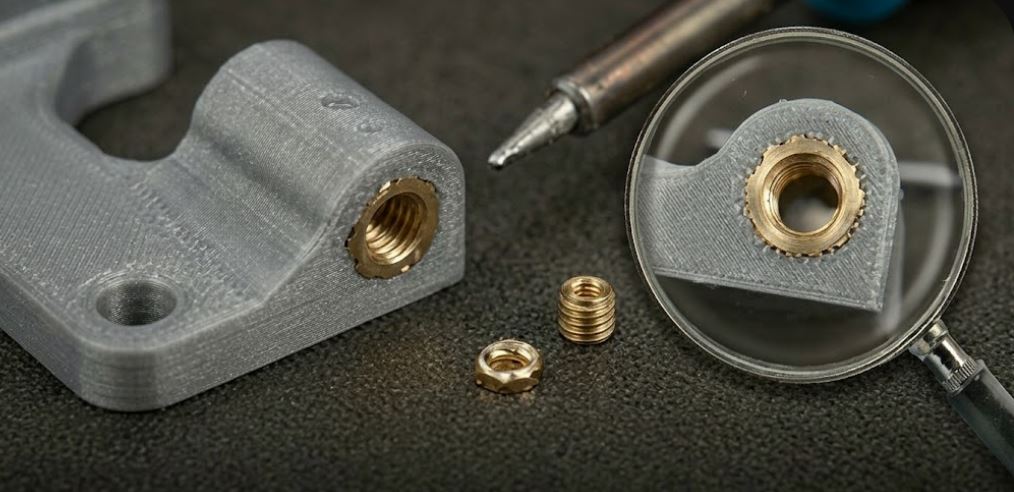
Inserting Nuts and Inserts
Heat-set inserts for solid joints – professional solution for functional parts.
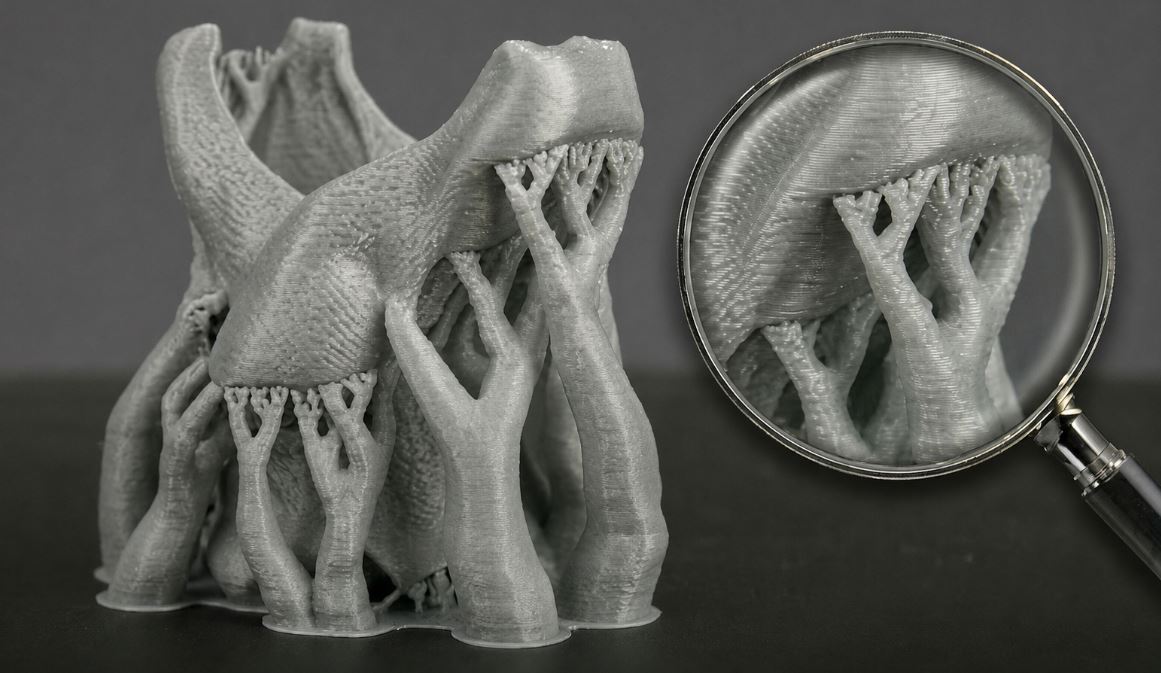
Supports and Overhangs - Advanced Techniques
Optimize supports for easy removal and perfect surface.
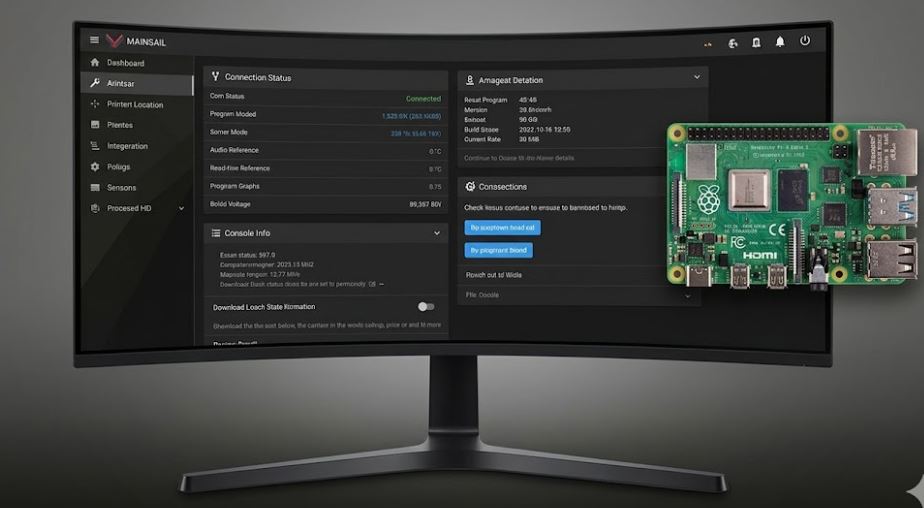
Klipper Firmware – Why Switch
Klipper provides significantly higher speed and precision than standard Marlin.
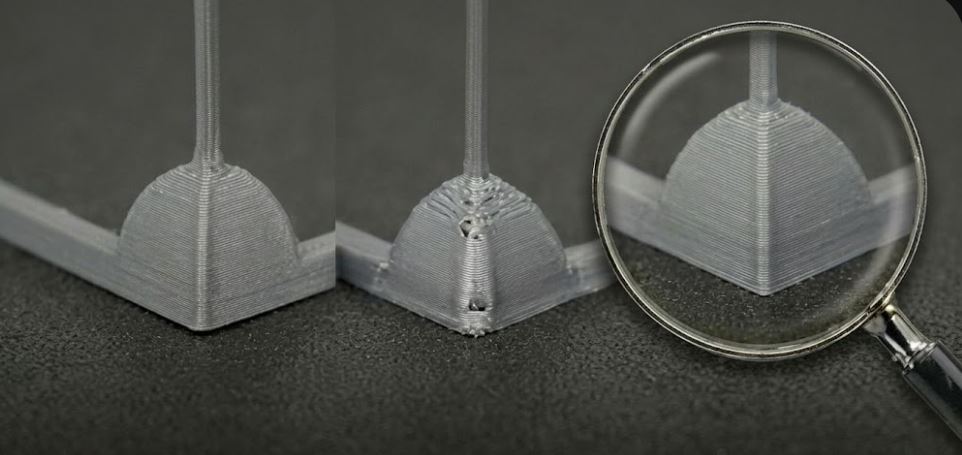
Pressure Advance / Linear Advance
Eliminate corner defects and improve extrusion consistency at high speeds.
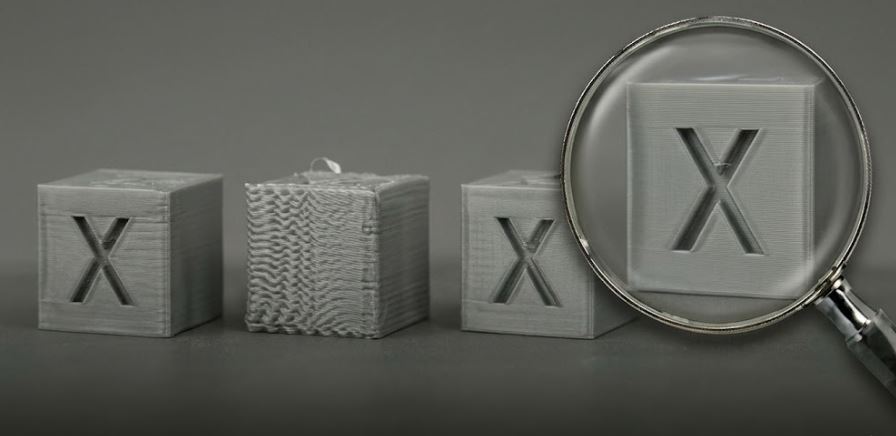
Input Shaping – Printing Without Resonance
Eliminate ghosting and ringing artifacts using resonance compensation.
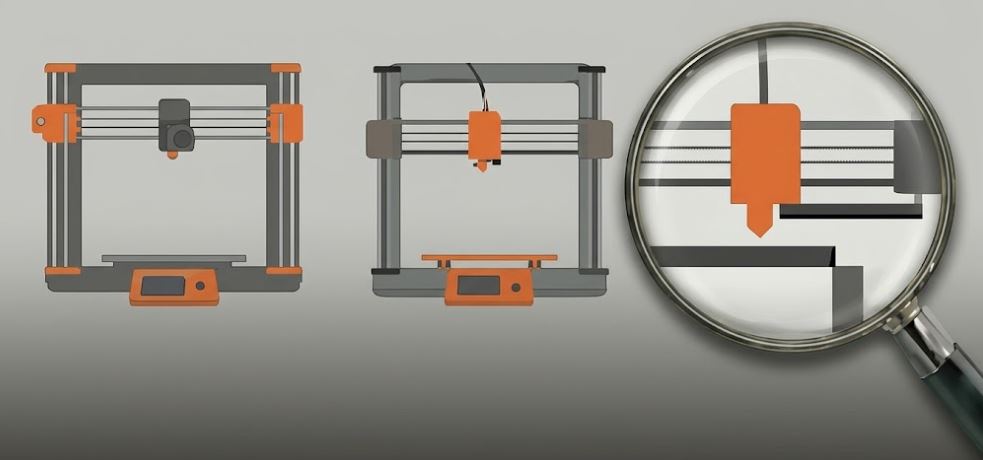
CoreXY vs. Bed Slinger – Which Kinematics to Choose
Two basic 3D printer architectures – their advantages, disadvantages, and applications.
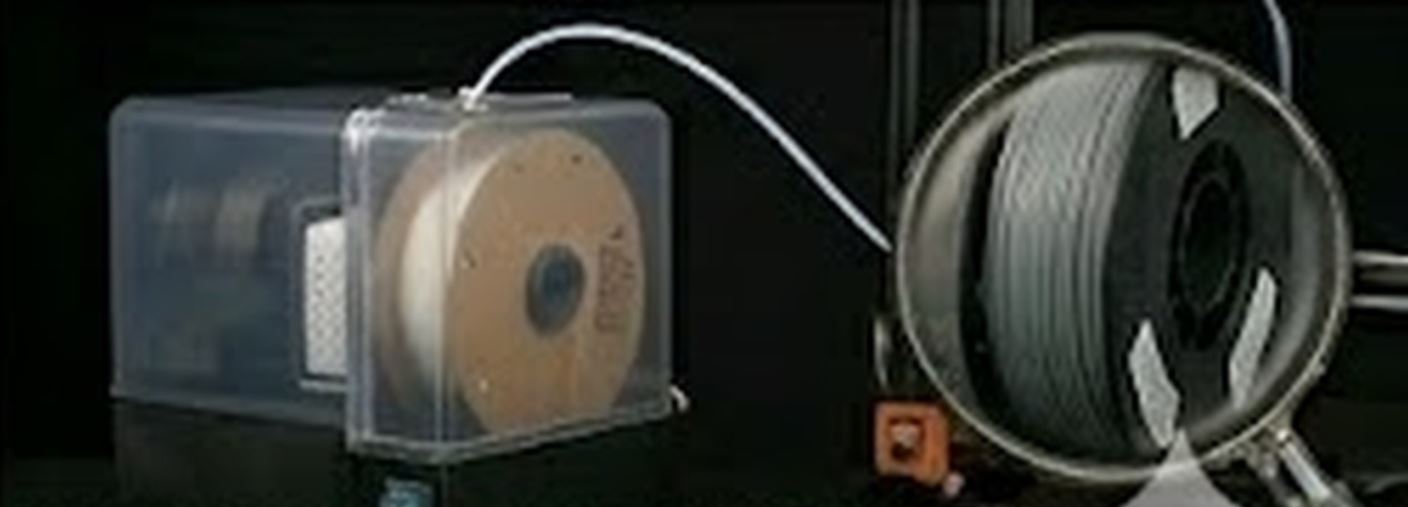
Dry Box and Active Filament Drying During Print
Print directly from a dryer and eliminate moisture problems once and for all.
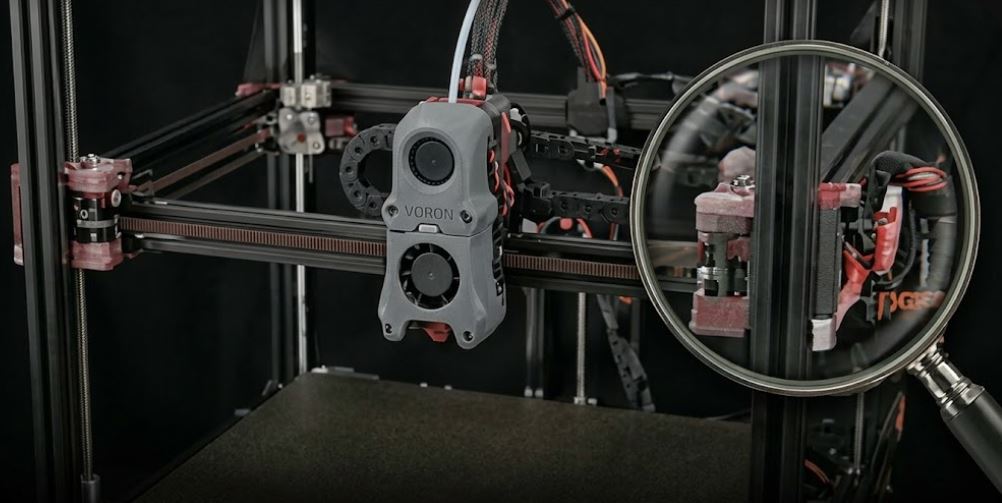
Voron – Building Your Own DIY Printer
Why build your own Voron and what it involves.